Let’s face it — with news that North Korea has extended how far they can launch their nukes, most of us are only concerned about one thing: Am I safe?
I’m guilty of it. When the missile trajectories hit the news, the first thing I did was check how far away I was from ground zero.
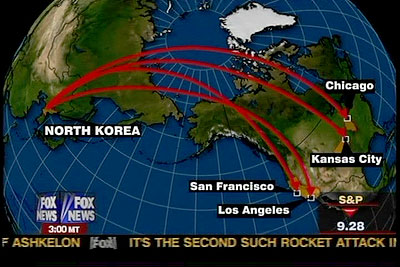
Rest assured, it’s highly unlikely that Kim Jong Un would use a nuke against the U.S. — He’d risk blowing himself up in the process. This is the key to “deterrence”: No one will use a nuke so long as the consequence means getting nuked back. The sheer apocalyptic capability of nukes is, paradoxically, the reason we haven’t yet experienced World War III.
However there’s one big flaw in relying on deterrence in the case of North Korea. For deterrence to work, Kim Jong Un’s fear of getting caught has to be stronger than his desire to harm the United States. But as fate would have it, there may be one way Kim could use a nuke and walk away with his hands clean.

The Problem
Unlike most other nuclear states, North Korea entered the arena relatively late. On October 9th, 2006, North Korea announced its first nuclear test. Since then, there have only been 5 other tests, all of which have been underground. Additionally, one of the facilities North Korea uses to create fuel for its bombs, Highly Enriched Uranium, is completely enclosed. While many other countries have opened the doors on their nuclear programs, North Korea has kept its program in the dark.
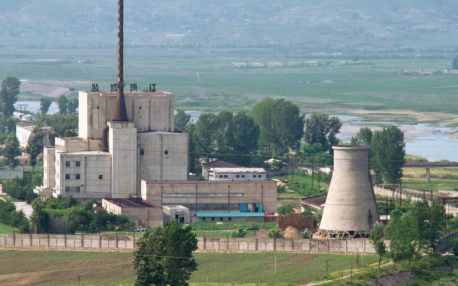
The goal of collecting the debris is to figure out what Kim’s bombs are made of. Similar to hackers who have a certain style by which they code, bomb makers have unique qualities as well: such as the materials they choose to build their bombs. If we can identify these materials before the bomb is used, we have a strong chance at tracking down the culprit after an attack, and ultimately deterring anyone from using a nuke in the first place.
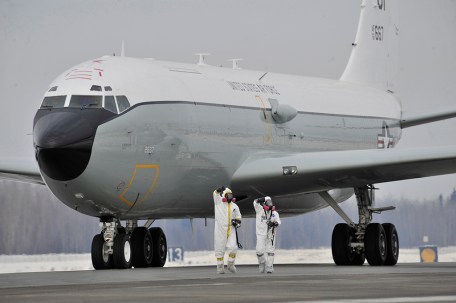
To prevent a nuclear attack, the U.S. needs to explore every way an attack could occur, and demonstrate their ability to track down the culprit.
The Scheme
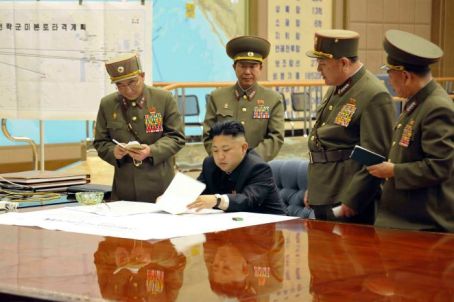
In the unlikely event that Kim uses a nuke in an offensive action against the U.S., he wouldn’t use a rocket, and he certainly wouldn’t do it himself. Satellites would instantly locate the origin of a rocket, and any direct connection to North Korea would bring too much risk of a counter-attack. Kim would have to get someone else to do the dirty work.
There is only one type of group in the world that is too spread out to fear a counter-attack, mad enough to kill millions of people, and organized enough to survive a chance at delivering the bomb: Organized terrorists.
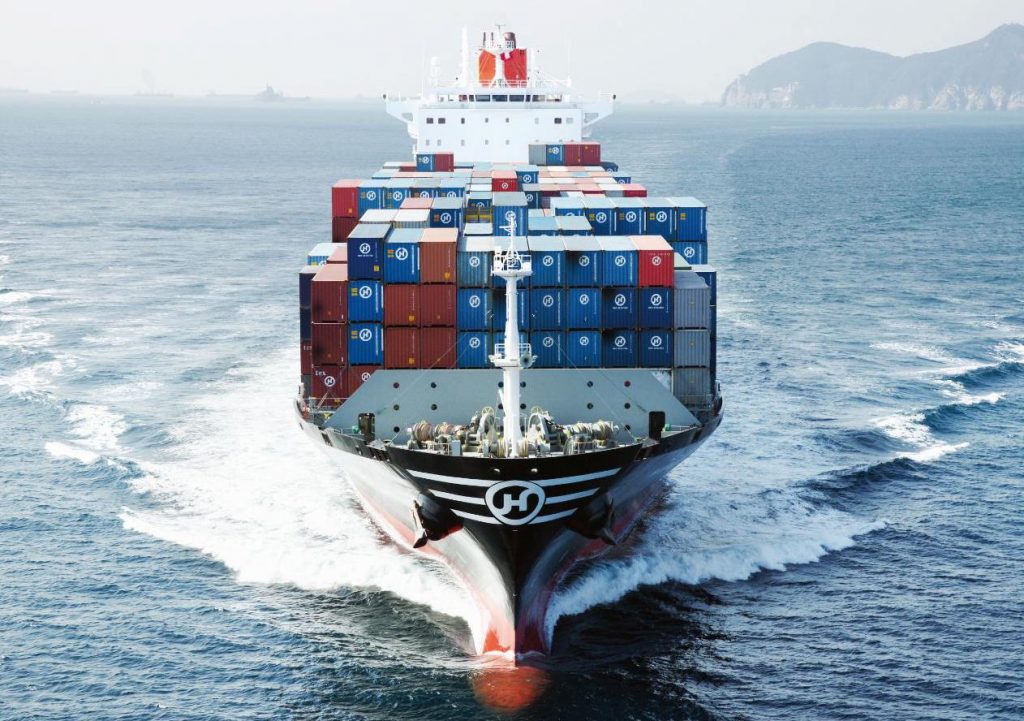
The most likely scenario involves North Korea selling a warhead to a terrorist group, and delivering the bomb the old school way: On a ship.
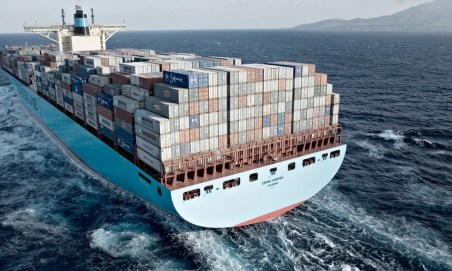
Smuggled onboard and nestled inside a dense lead container, the bomb would depart North Korea and most likely make its way to China. As one of the thousands of containers that make up the $2.3 billion in trade between China and North Korea each year, this container would likely go unnoticed. From China, the bomb would then make its way to the United States.
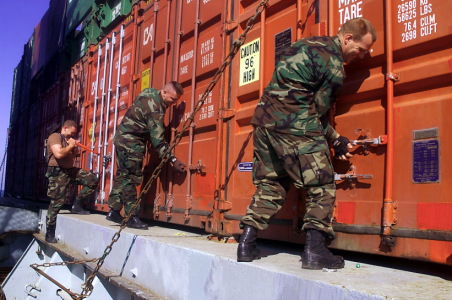
If we’re lucky, the women and men who inspect containers for radioactivity at ports would find the bomb before it goes off. However since the U.S. receives about 25,000 shipping containers each day, and international ports have been notorious for examining far fewer containers than required by law, we may not find the container before the bomb explodes.
U.S. Response
Almost immediately after the explosion, a mad race would ensue to figure out whether or not more bombs are on the way, and where the bomb came from. Without an international database of nuclear explosives, or adequate knowledge of North Korea’s bomb, attribution would be extremely difficult. It may take months before a proper forensic analysis is complete.
In the meantime, every nuclear-capable country will be on edge, well aware that any one of them may end up punished for an attack they did or didn’t commit. Trapped between immense political pressure to fight back, and the need to make an informed decision on the source of the bomb, the President will be faced with a tough judgement call: What level of assurance do you need before nuking back?
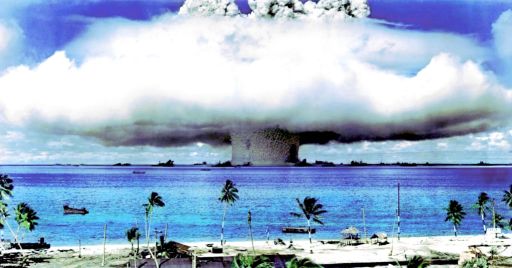
The aftermath of a nuclear attack on the U.S. mainland will impact everyone.
What We Can Do
Going forward, It’s vital that we further examine the vulnerabilities of our ports. A nuclear attack on any major port would likely shut down all access to the country, kill about 60,000 people, and destroy global financial markets. The immediate damage has been estimated at more than $1 trillion. Although efforts have been made to increase port security, serious gaps still remain.
Additionally, a multilateral effort to establish a nuclear explosives database should take effect immediately. In the case of a nuclear attack, world leaders will need to quickly determine where the weapon came from. Transparency will not only ease tensions, but also save innocent countries the risk of becoming the victim of a misinformed counterattack.
Lastly, and perhaps most importantly, we need to clearly communicate the strength of our ability to track down the culprit. So long as a would-be perpetrator thinks they can get away with an attack, it might actually happen.
Next time you think, Am I Safe?, look for the nearest port.
 Global Security: Modern Issues Explained
Leave a comment